Scranton & Lackawanna County, PA
Basement Waterproofing in Scranton, PA — Find a Local Provider
Basement waterproofing in Scranton, PA keeps water out of the older homes that make up most of the city, where stone and block foundations are the first to leak when the ground turns wet. More than half of Scranton's houses were built before 1940, and those aging foundations sit in a river valley that gets about 39 inches of rain and heavy winter snowmelt each year. Call 272-207-1992 to be connected with a local provider.
- Independent local providers
- Written scope before work begins
- Scheduled appointments
- Local to Scranton
A wet basement almost always comes down to water pressure. Rain and melting snow saturate the soil around the foundation, the saturated soil presses against the walls, and that pressure drives water through cracks, mortar joints, and the seam where the wall meets the floor. Sealing the surface rarely holds, because the pressure behind it hasn't gone anywhere. The methods that last relieve the pressure and give the water a controlled path out.
Basement Waterproofing Services in Scranton
Water gets into Scranton basements in a few different ways, so local providers match the method to where it's coming from and how the foundation is built.
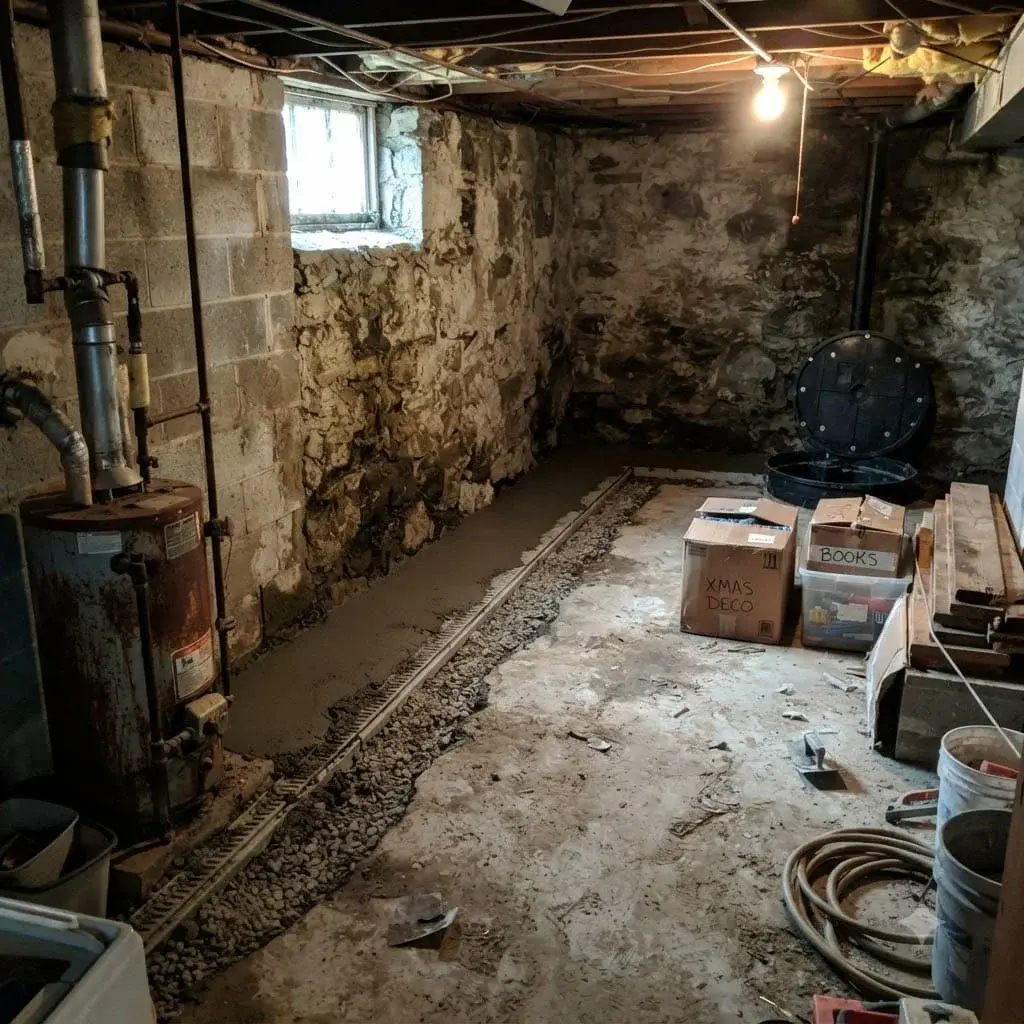
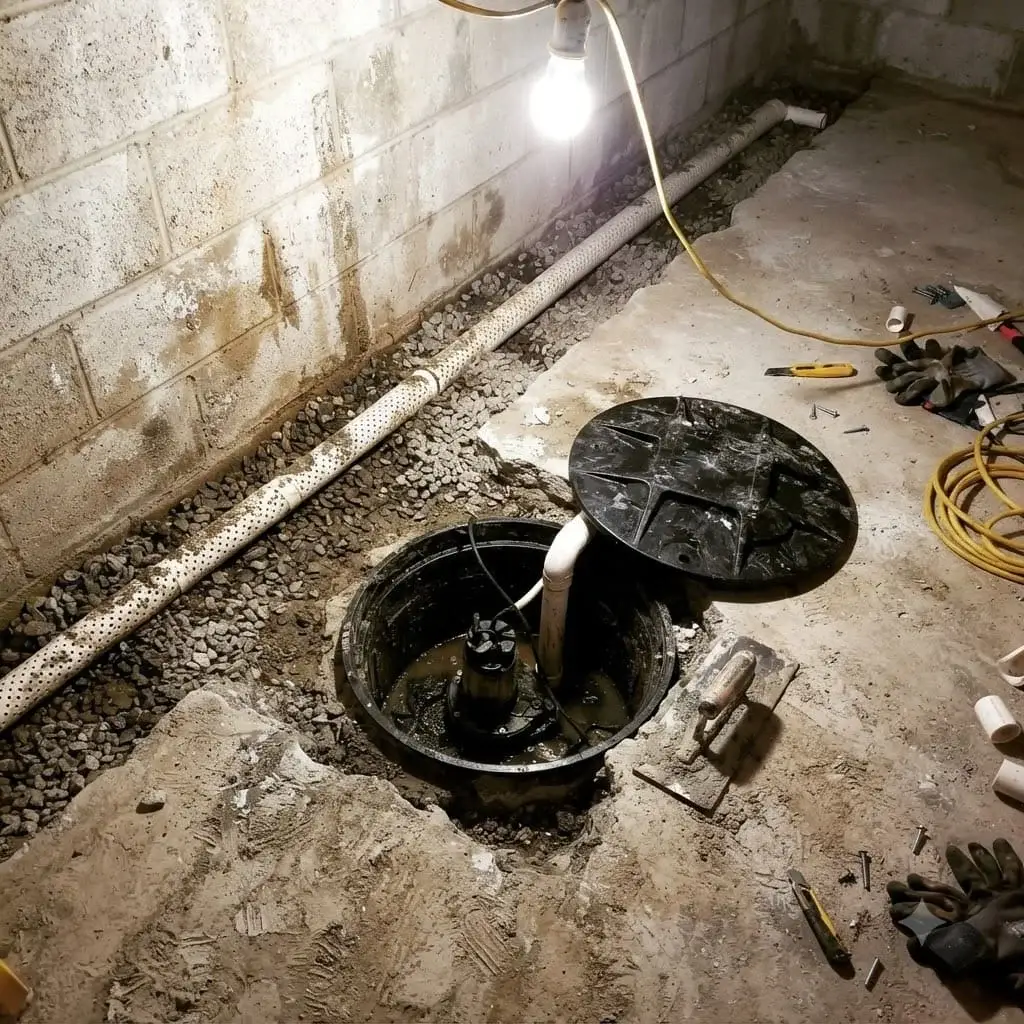
Interior drainage and sump pumps handle water that collects inside at the floor joint. A channel is cut into the slab along the inside of the footing, a perforated pipe is set in gravel, and the whole loop runs to a sump basin where the pump sends water outside. On block walls, weep holes drilled into the bottom course let water trapped inside the block escape into the drain instead of pooling behind the wall. This is the least disruptive option, and it can go in year-round. Interior drainage and sump pumps
Exterior waterproofing is the method for water pushing in from beyond the wall. The ground along the foundation is opened down to the footing, the wall is cleaned, and a membrane goes on with exterior drainage. It's a bigger job than interior work, but it's the right call when the water has to be stopped before it reaches the wall. Exterior basement waterproofing
Bowing and cracked wall repair addresses foundations that soil and water pressure have moved, often worsened by winters that freeze and thaw the ground again and again. Depending on how far the wall has moved, the fix is crack sealing, steel wall anchors, or carbon-fiber straps. Basement wall repair
Work is performed by independent professionals. Providers typically start with an inspection and a written scope before any work begins.
Why Scranton Basements Take On Water
Scranton sits in the Lackawanna River valley, and the ground here is a channery silt loam, a soil packed with flat rock fragments. It drains unevenly, so water finds the low path and collects against foundation walls rather than soaking away. With about 39 inches of rain a year plus regular snow, the soil around a Scranton foundation spends long stretches saturated, and saturated soil is what drives water through a wall.
Winter adds a second force. Water that works into a crack or a mortar joint freezes and expands, widening the gap a little, and then the next thaw lets more water in to freeze again. Over a Scranton winter that cycle repeats many times, and older stone and block foundations, with their absorbent mortar joints, give it the most to work on. A hairline crack in November is often a steady leak by spring.
Flash flooding is the sharp end of the problem. In September 2023, heavy rain caused severe localized flooding in Keyser Valley and North Scranton, damaging enough homes that the city later secured federal funding to buy out and demolish the worst-hit properties. Green Ridge has its own long-standing trouble, where an underground creek backs up into basements along Wyoming Avenue, and low parts of Keyser Valley flood almost every time a hard rain comes through. For homes in those pockets, a sump system with a battery backup is a necessity rather than a luxury, because the worst flooding often arrives with the storms most likely to knock the power out.
Mine Subsidence and Older Foundations
Scranton grew up as a coal town, and much of Lackawanna County sits over old underground mine workings. The Pennsylvania DEP maps the areas considered at risk, and standard homeowners insurance usually excludes mine subsidence damage. Subsidence is a separate issue from everyday water intrusion, but both show up as cracks and movement in the same old foundations. If your home sits in a mapped risk area, call 272-207-1992 to reach a local provider who can walk through what applies before any work starts.
Signs You Need Basement Waterproofing
A wet basement shows up in stages. These are the signs worth watching for in a Scranton home:
- Standing water or damp patches on the floor after rain or snowmelt
- A tide line or staining along the bottom of the walls
- White, chalky residue on the block or concrete, called efflorescence
- A musty smell that lingers even when the basement looks dry
- Cracks in the walls or floor, especially ones that widen over a season
- Walls that bow inward or lean, a sign of soil and water pressure
- Rust on appliances, or warping on anything stored against a wall
One sign on its own is worth watching. Several together mean water is finding a path in, and the sooner it's traced, the smaller the fix.
What to Look for in a Provider
- Local to Scranton. Look for a provider whose approach is built around the valley's older homes, its channery soil, and the neighborhoods that flood, not a national script.
- Registered and insured. Pennsylvania requires most home improvement contractors to register with the state Attorney General, so ask for the PA registration number and a current certificate of insurance before work begins.
- A written scope before the work. Ask for the plan in writing, so the scope is clear before anything is committed to.
- Scheduled appointments — not an open-ended window. A provider who commits to a time and keeps it is a good sign.
- The right-sized fix. The method should match the problem. Interior drainage, exterior work, or wall repair, whichever the foundation needs, and nothing it doesn't.
How the Work Usually Goes
First, the provider inspects the basement and the foundation, inside and out, to find where the water enters and why. Second, you get a written plan for the work the home actually needs. Third, the installers carry out the work. Finally, the sump and discharge are tested before the job is signed off. Scranton requires a building permit for this kind of structural and foundation work, and the city enforces the 2021 international codes as modified by Pennsylvania's Uniform Construction Code, so permitting is part of doing the job correctly.
Scranton Neighborhoods and Areas Covered
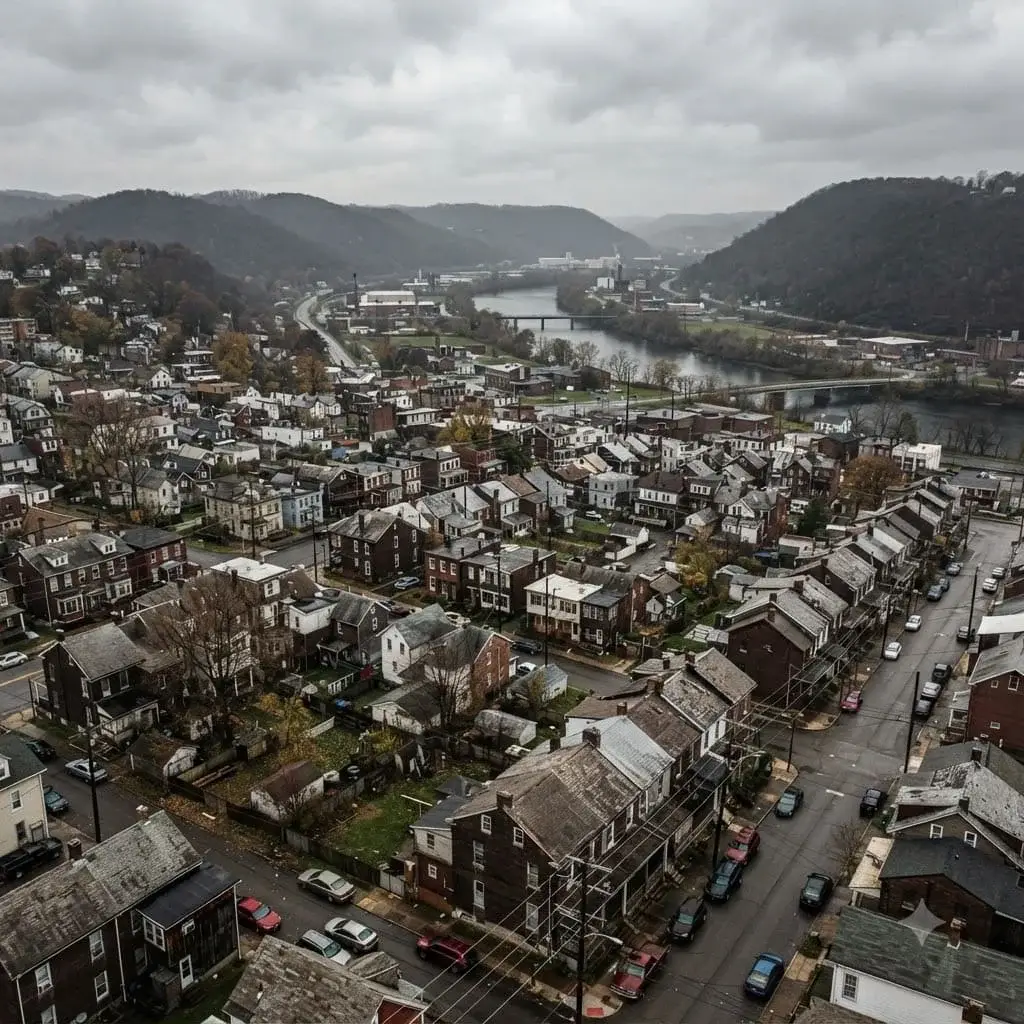
Local providers waterproof basements across Scranton, including Green Ridge, the Hill Section, Hyde Park, South Side, and West Scranton, covering zip codes 18503, 18504, 18505, 18508, 18509, 18510, and 18512. The surrounding Lackawanna County towns are covered as well. See the full service area
Frequently Asked Questions
Why does my Scranton basement leak after heavy rain?
Rain and snowmelt saturate the soil around the foundation, and that saturated soil presses water through cracks, mortar joints, and the floor-wall seam. In older Scranton homes, stone and block walls give water the easiest path in. Surface sealers rarely hold because the water pressure behind the wall is still there, so a lasting fix relieves the pressure and routes the water to a sump rather than just coating the surface.
Do I need interior or exterior waterproofing?
Interior drainage suits water that collects inside at the floor joint, and it's less disruptive and can go in during any season. Exterior waterproofing is for water pushing in from outside, and it means excavating down to the footing to seal the wall from the outside. Many Scranton homes do well with interior drainage, but an inspection is what settles which the foundation actually needs.
Does homeowners insurance cover a wet basement?
Most policies exclude gradual seepage and groundwater, which is what most wet-basement cases are, and in this area mine subsidence is usually excluded too. Read the specific policy and ask the insurer directly about groundwater and subsidence, because the answer varies from one policy to the next.
Does the work need a permit in Scranton?
Yes. Scranton requires a building permit for foundation and structural waterproofing work, and the city enforces the 2021 codes as modified by Pennsylvania's Uniform Construction Code. Jobs that involve digging out or underpinning a basement also need structural engineering behind the permit. A qualified contractor pulls the permit before work starts and posts it at the site.
Which Scranton areas do local providers cover?
Providers cover Scranton and the surrounding Lackawanna County towns, including Green Ridge, the Hill Section, Hyde Park, South Side, and West Scranton. Call 272-207-1992 to confirm coverage for a specific address.
Call Now
For basement waterproofing in Scranton, call 272-207-1992 to be connected with a local provider.