
Service
Interior Drainage & Sump Pump Installation in Scranton, PA
Interior drainage and sump pumps in Scranton, PA carry water away from the inside of the footing before it can pool on a basement floor. An interior perimeter drain paired with a sump pump is the most common fix for a wet Scranton basement, because it handles the water pressure that older stone and block foundations let through. Call 272-207-1992 to be connected with a local provider.
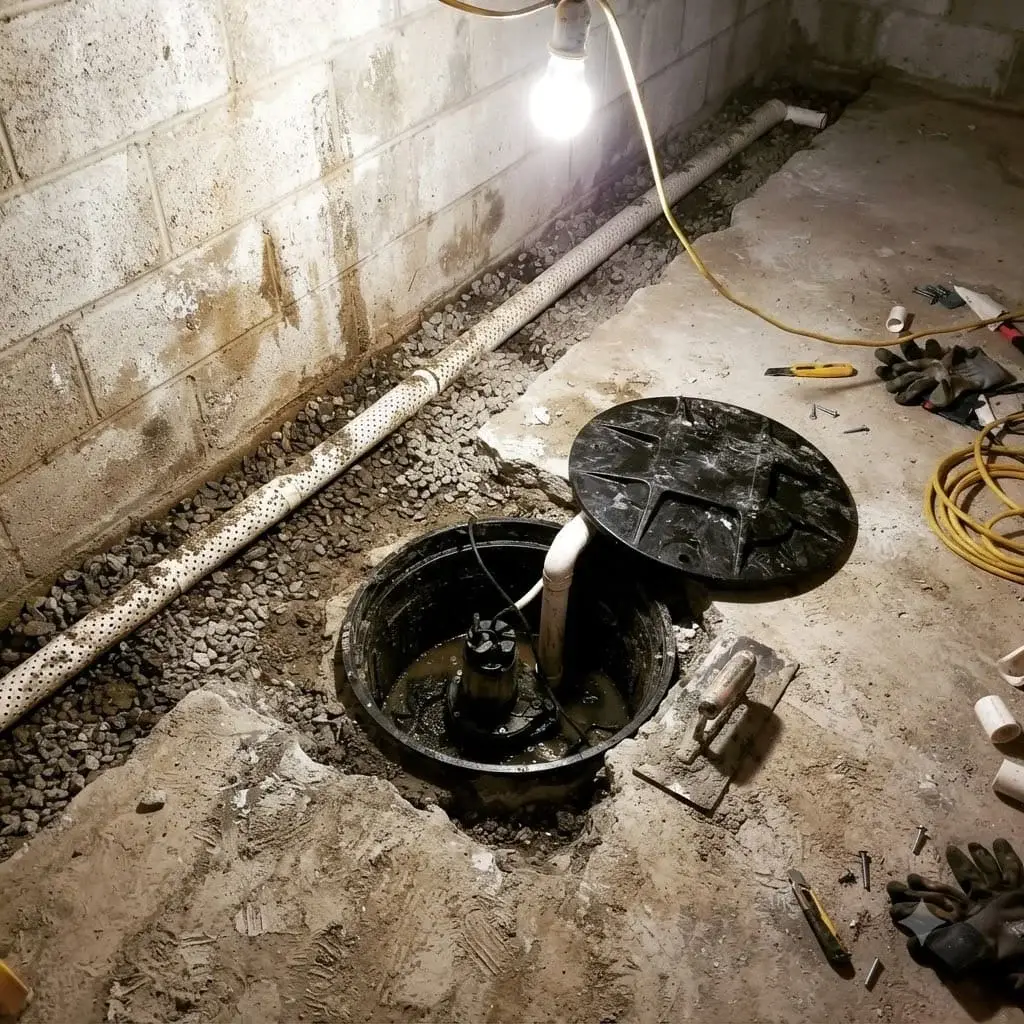
Interior drainage works below the slab, where the water actually collects. Water that seeps through the wall or rises at the floor-wall seam drops into a channel cut along the footing, runs through a perforated pipe to a sump basin, and gets pumped out and away from the house. It's the least disruptive waterproofing method, and it can go in during any season, including a Scranton winter when exterior digging isn't practical.
How Interior Drainage Is Installed
Interior drainage installation follows the same sequence on most Scranton homes. First, a narrow channel is cut in the concrete slab along the inside edge of the footing, around the wet section of the perimeter. Second, on block walls, weep holes are drilled into the bottom course so water trapped inside the hollow block drains down into the channel instead of building up behind the wall. Third, a perforated pipe is set in clean gravel and sloped toward the sump basin. Finally, the channel is patched with fresh concrete flush to the floor and the system is tested.
The sump basin sits at the lowest point of the basement, usually in a corner or an unfinished room. The pump switches on automatically when water reaches a set level and pushes it through a discharge line that exits well away from the foundation. A discharge line that dumps water right at the wall just feeds it back in, so it has to run far enough out that the water can't return.
Sump Pumps and Battery Backup
Sump pumps are the engine of an interior system, so pump choice matters more than most homeowners expect. A primary pump handles normal flow, but a standard electric pump stops the moment the power goes out, and in Scranton the heaviest water usually arrives with the same storms that bring down the power. That's the case for a battery backup pump.
A battery backup runs the sump when the grid is down, which is exactly when a basement is most likely to flood. The backup should be sized to the home and the water volume, not to a one-size spec. For a house in a low-lying stretch of Keyser Valley or near the underground creek in Green Ridge, the backup isn't optional, it's the part that works on the night it matters.
Dehumidifiers and Basement Humidity
Humidity is the problem interior drainage doesn't fully solve on its own. A drain and sump stop standing water, but a Scranton basement can still feel damp and smell musty through a humid summer, because moisture moves through block and concrete as vapor, not just as liquid. A dedicated basement dehumidifier pulls that vapor out of the air and keeps the relative humidity low enough to stop mold and that musty smell. One is usually fitted where the moisture load calls for it, often alongside a drainage system in a finished or soon-to-be-finished basement.
Why Waterproofing Paint Isn't a Drainage System
Waterproofing paint is where a lot of Scranton homeowners start, and it's worth being clear about what it does. Sealers and waterproofing paints coat the inside face of the wall and can slow minor dampness on a dry-ish wall. They do not relieve water pressure. When saturated soil pushes water against the foundation, that pressure builds behind the coating until it peels, blisters, or finds the floor-wall seam the paint never touched. On the old block and stone walls common in Scranton, paint buys a season at best. Interior drainage addresses the pressure itself, which is why it lasts where paint fails.
What to Look for in a Provider
- Local to Scranton. Look for a provider who sizes systems for the valley's older foundations and the neighborhoods that flood, not a national template.
- Registered and insured. Pennsylvania requires most home improvement contractors to register with the state Attorney General, so ask for the registration number and a current certificate of insurance.
- A written scope before the work. Ask for the inspection findings and the plan in writing before anything is committed to.
- Scheduled appointments — not an open-ended window. A provider who commits to a time and keeps it is a good sign.
- The right-sized system. The drain length and pump setup should match the water problem, and nothing more.
Work is performed by independent professionals.
Frequently Asked Questions
How long does interior drainage take to install?
Most interior drainage jobs in a Scranton home take one to two days, depending on how much of the perimeter needs a drain. The slab is cut, the pipe and gravel are set, the sump basin is placed, the concrete is patched, and the pump is tested. The fresh concrete needs a short time to cure, but the system works right away. A full-perimeter job on a larger basement runs toward the longer end.
Do I really need a battery backup sump pump?
A battery backup matters most in Scranton because the worst flooding usually comes with storms that also knock out power. A standard sump pump stops the moment the grid goes down, which is the exact moment water is rising fastest. A backup pump keeps running on battery through the outage. For homes in low-lying areas like Keyser Valley or near the Green Ridge creek, it's closer to a necessity than an upgrade.
Will an interior drain stop a musty smell?
An interior drain stops standing water, but a musty smell usually comes from humidity, which is a separate problem. Moisture moves through block and concrete as vapor even after the liquid water is handled. A basement dehumidifier pulls that vapor out of the air and keeps humidity low enough to stop mold and odor. A dehumidifier is often paired with drainage in a Scranton basement that will be used or finished.
Is waterproofing paint a cheaper alternative?
Waterproofing paint does not do the same job as a drainage system. Paint coats the wall surface and can slow light dampness, but it cannot relieve the water pressure that pushes through a foundation after heavy rain. On the older block and stone walls common in Scranton, the coating peels or blisters within a season or two. Interior drainage addresses the pressure itself, which is why it holds up where paint does not.
Where does the sump pump water go?
The sump pump pushes water through a discharge line that exits the house and releases it well away from the foundation. A discharge that dumps water right beside the wall just sends it back into the soil and back into the basement. The line has to run far enough out, and with the right slope, that the water drains away for good. In freezing Scranton winters, the discharge should be set up to resist the ice that can block a poorly placed line.
Call Now
For interior drainage and sump pump installation in Scranton, call 272-207-1992 to be connected with a local provider. See the full service area, or learn about exterior basement waterproofing and basement wall repair.