If you own a home in Scranton or anywhere in Lackawanna County, there's a good chance it sits over old coal mine workings, and the damage those mines can cause is almost never covered by your regular homeowners policy. Mine subsidence insurance is a separate, inexpensive state policy that fills the gap. Here's what it covers, what it costs, and how to check whether your home needs it.
What Mine Subsidence Is
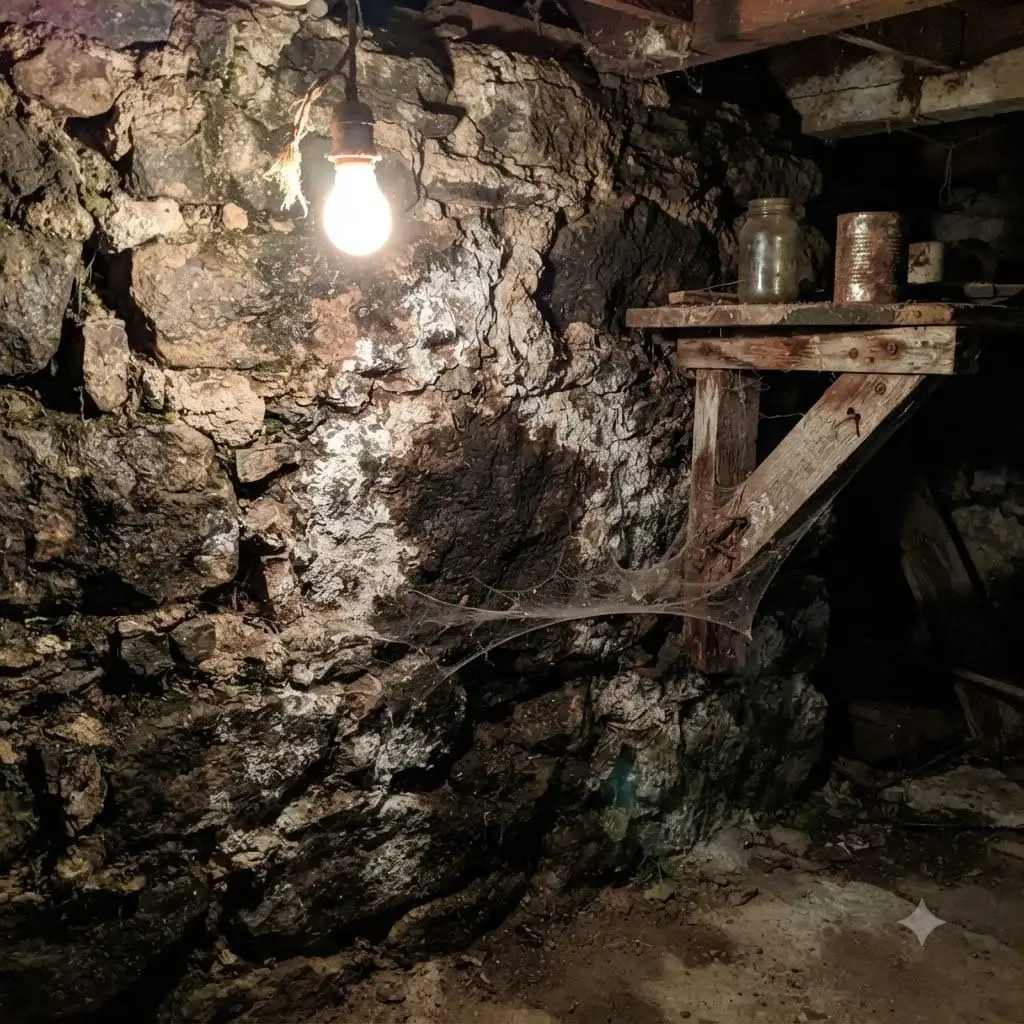
Mine subsidence is ground movement caused by the collapse of old underground coal or clay mine workings. When the tunnels, pillars, and voids left behind by mining give way, the surface above can sink into a trough or drop suddenly into a sinkhole. Lackawanna County was built on coal, and millions of structures across Pennsylvania sit over abandoned mines, which is why this is a live concern in Scranton, Carbondale, Jessup, Throop, and the other former mining towns of the valley.
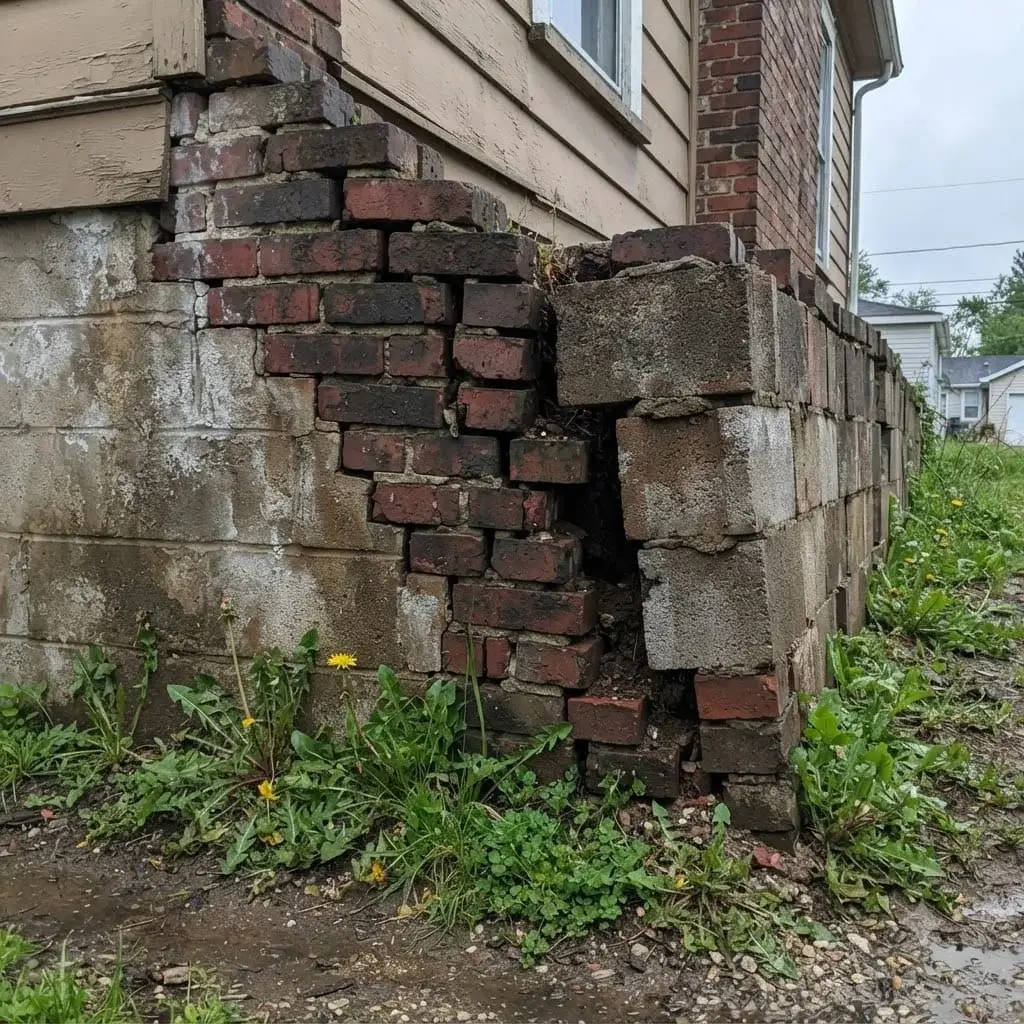
Subsidence damage shows up as cracks in walls and foundations, doors and windows that stick, uneven floors, and separation between parts of the structure. Those signs overlap with ordinary water and settlement damage, which is part of why it's easy to miss.
Why Your Homeowners Insurance Probably Won't Cover It
Standard homeowners insurance usually excludes mine subsidence, and that catches people off guard. Damage from mine subsidence or from mine water breakouts is typically not covered by a regular homeowners policy. That exclusion is why Pennsylvania set up a separate program, because without it, homeowners over old mines would have no affordable way to insure against a real and specific risk.
What Pennsylvania's Mine Subsidence Insurance Covers
Pennsylvania's Mine Subsidence Insurance is offered by a state non-profit fund that has operated since 1961. It covers the structure of your home against damage from the collapse of underground coal and clay mines, and from a sudden breakout of water from an abandoned mine.
Here's what the coverage includes:
- The building itself, damaged by ground movement from collapsed mine workings.
- Appurtenances such as fences, retaining walls, patios, walks, driveways, and in-ground pools, limited to 10% of the coverage amount, and paid only if the building is damaged in the same event.
- Incidental costs such as temporary relocation and increased utilities, within set limits that are part of the purchased coverage.
What it does not cover is personal contents. The program insures the building and its appurtenances, not your belongings, on the reasoning that contents are usually recoverable after subsidence. It also doesn't cover damage from ordinary settlement, landslides, soil movement, or poor construction, which can be mistaken for subsidence.
What It Costs
Mine subsidence insurance is remarkably cheap for what it protects. Residential coverage runs about 27 cents per $1,000 of coverage, so an average policy of $160,000 costs roughly $43.75 a year, or about $3.65 a month. Homeowners 65 or older get a 10% discount on their primary residence. Coverage is available from $5,000 up to $1,000,000, and the state recommends insuring up to your home's replacement value plus 20%.
For a few dollars a month against a risk that your regular policy excludes and that can cost tens of thousands to repair, the math is straightforward for a home in a mapped area.
How to Check Your Risk and Apply
Checking your risk starts with the state's mapping. The Pennsylvania DEP maintains a map of areas known to be undermined or near undermined ground, and it recommends mine subsidence coverage for structures in those areas. You can look up a specific address to see its mining status.
To apply, you go through Pennsylvania's Mine Subsidence Insurance program, administered by the DEP. Claims, if they ever arise, are filed with a DEP field office and investigated by the fund. The whole system exists specifically for homeowners in coal regions like the Lackawanna Valley.
How This Relates to a Wet or Cracked Basement
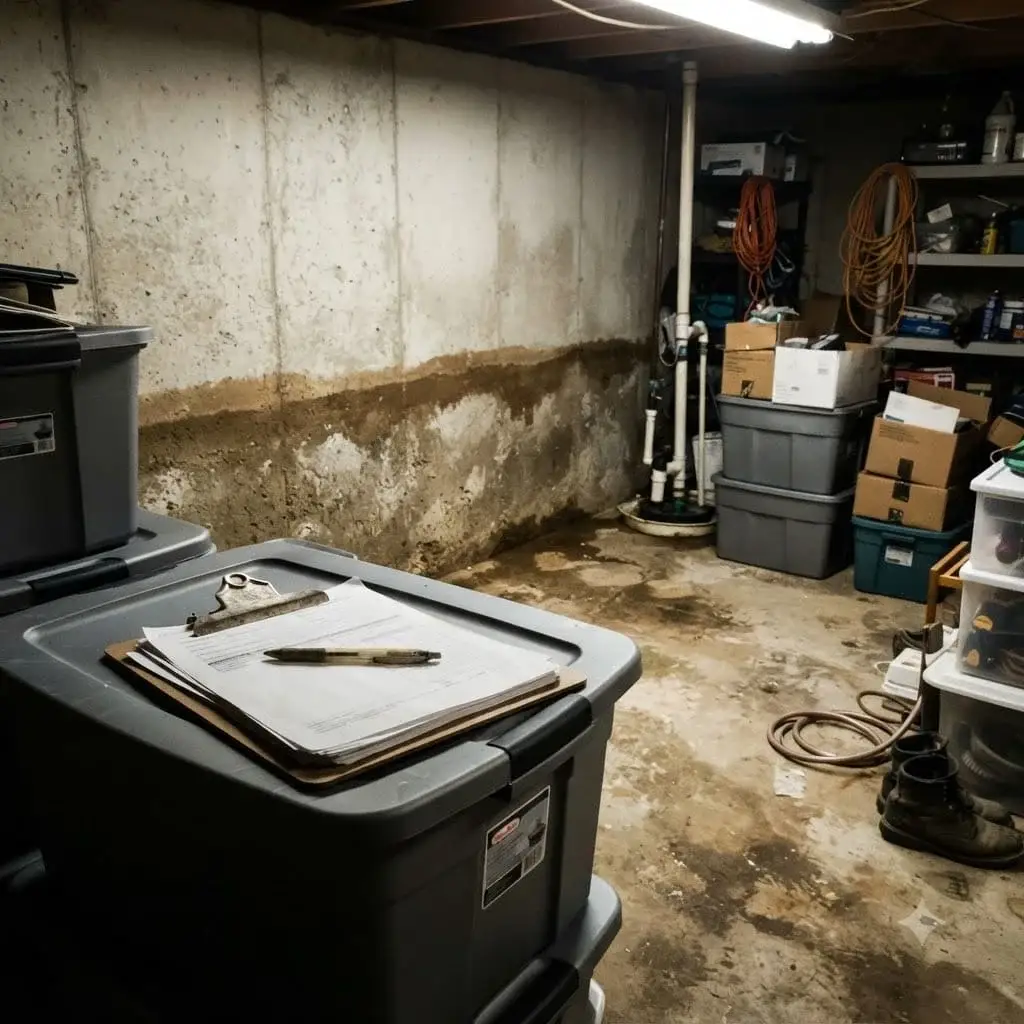
Subsidence and water damage are different problems that look alike, which is why it's worth knowing which one you have. A bowing wall or a cracked foundation in a Scranton basement is usually the result of soil and water pressure, which we handle with waterproofing and wall repair. But in a home over old mine workings, some of that cracking and movement can come from subsidence instead, and that's an insurance matter, not a waterproofing one. When we inspect a basement in a mapped mining area, we flag the possibility so you can look into coverage before, not after, a problem develops.
Frequently Asked Questions
Does homeowners insurance cover mine subsidence in Pennsylvania?
Standard homeowners insurance in Pennsylvania usually does not cover mine subsidence or mine water breakouts. That exclusion is why the state created a separate Mine Subsidence Insurance program through the DEP. If your home sits over old coal or clay mine workings, which is common across Lackawanna County, your regular policy will likely not pay for subsidence damage, and a separate MSI policy is the way to cover that specific risk.
How much does mine subsidence insurance cost in Pennsylvania?
Mine subsidence insurance in Pennsylvania costs about 27 cents per $1,000 of coverage, so a $160,000 policy runs roughly $43.75 a year, or about $3.65 a month. Homeowners 65 and older get a 10% discount on a primary residence. Coverage is available from $5,000 to $1,000,000. It is one of the least expensive insurance products available, priced well below a standard homeowners policy because it covers a single, specific risk.
How do I know if my Scranton home is over a mine?
You can check whether your Scranton home sits over old mine workings using the Pennsylvania DEP's mine subsidence map, which shows areas known to be undermined or near undermined ground. You look up a specific address to see its mining status and whether coverage is recommended. Much of Lackawanna County, including parts of Scranton, Carbondale, Jessup, and Throop, sits over abandoned mines, so homes in those areas are worth checking.
Does mine subsidence insurance cover my belongings?
Mine subsidence insurance covers the building and its appurtenances, not your personal belongings. The program insures the structure of your home against damage from collapsing mine workings, along with items like fences, driveways, and retaining walls up to a limit. It does not cover contents, on the reasoning that personal belongings are usually recoverable after a subsidence event. If you want contents coverage, that's a separate matter from the state MSI policy.
Is mine subsidence the same as a sinking foundation?
Mine subsidence and ordinary foundation settlement can look the same but have different causes. Subsidence is ground movement from collapsing underground mine workings, while settlement usually comes from soil conditions, water, or construction. Both show up as cracks, sticking doors, and uneven floors. The distinction matters because subsidence may be covered by a state MSI policy, while water-driven movement is a waterproofing and repair issue. An inspection in a mapped mining area helps tell them apart.