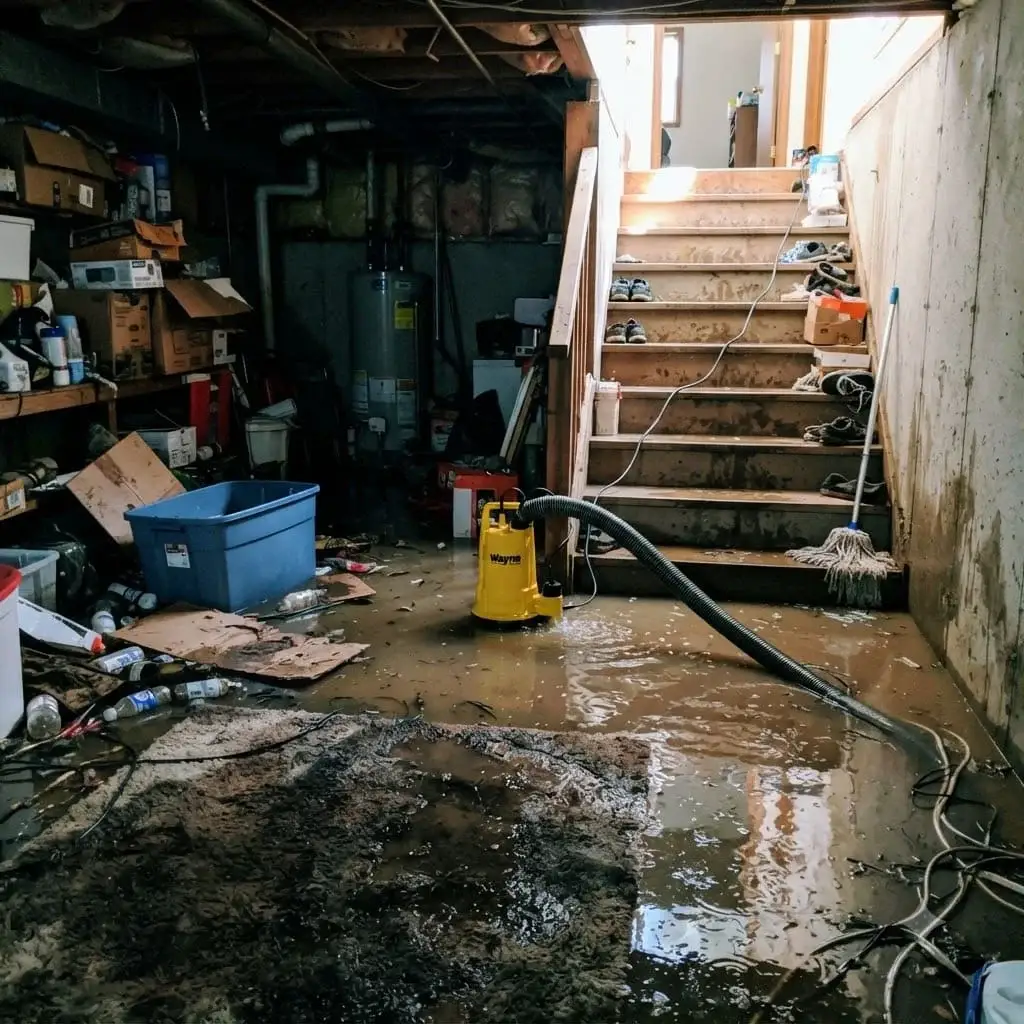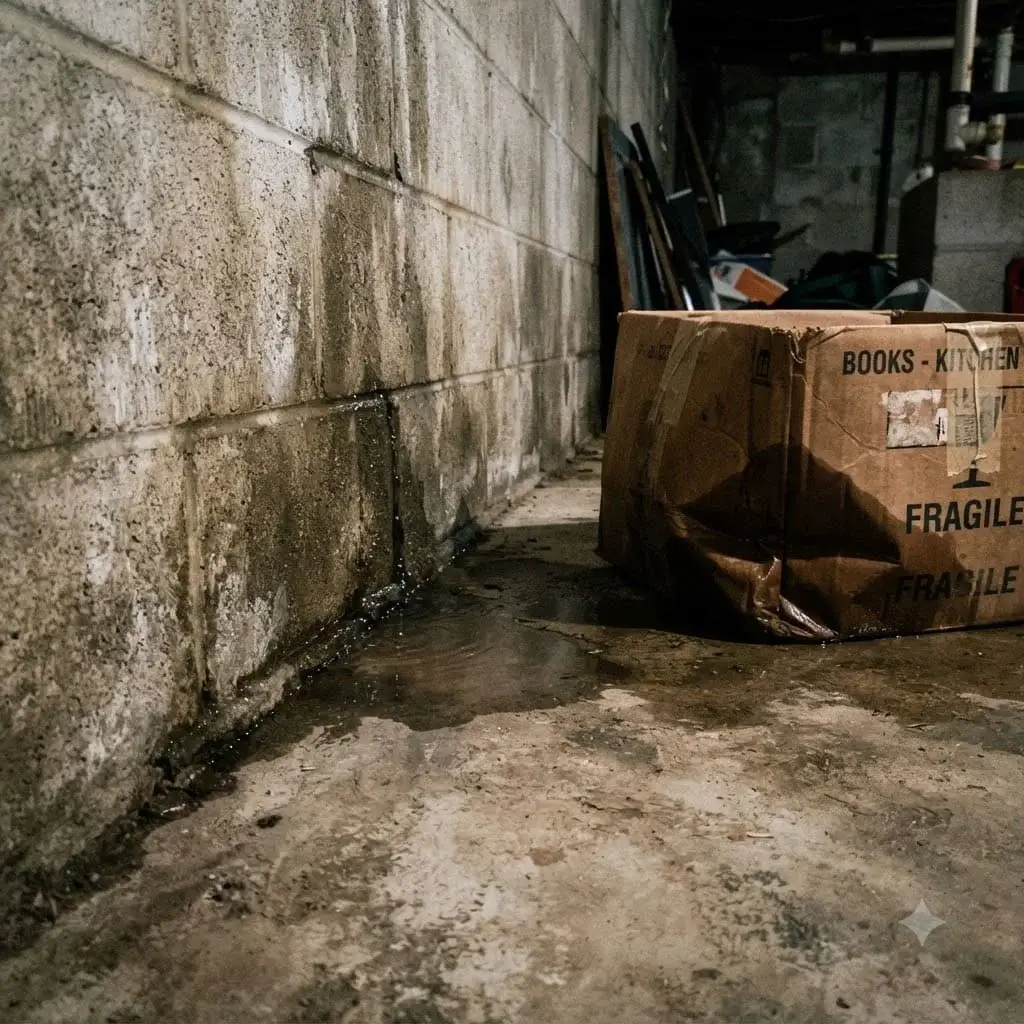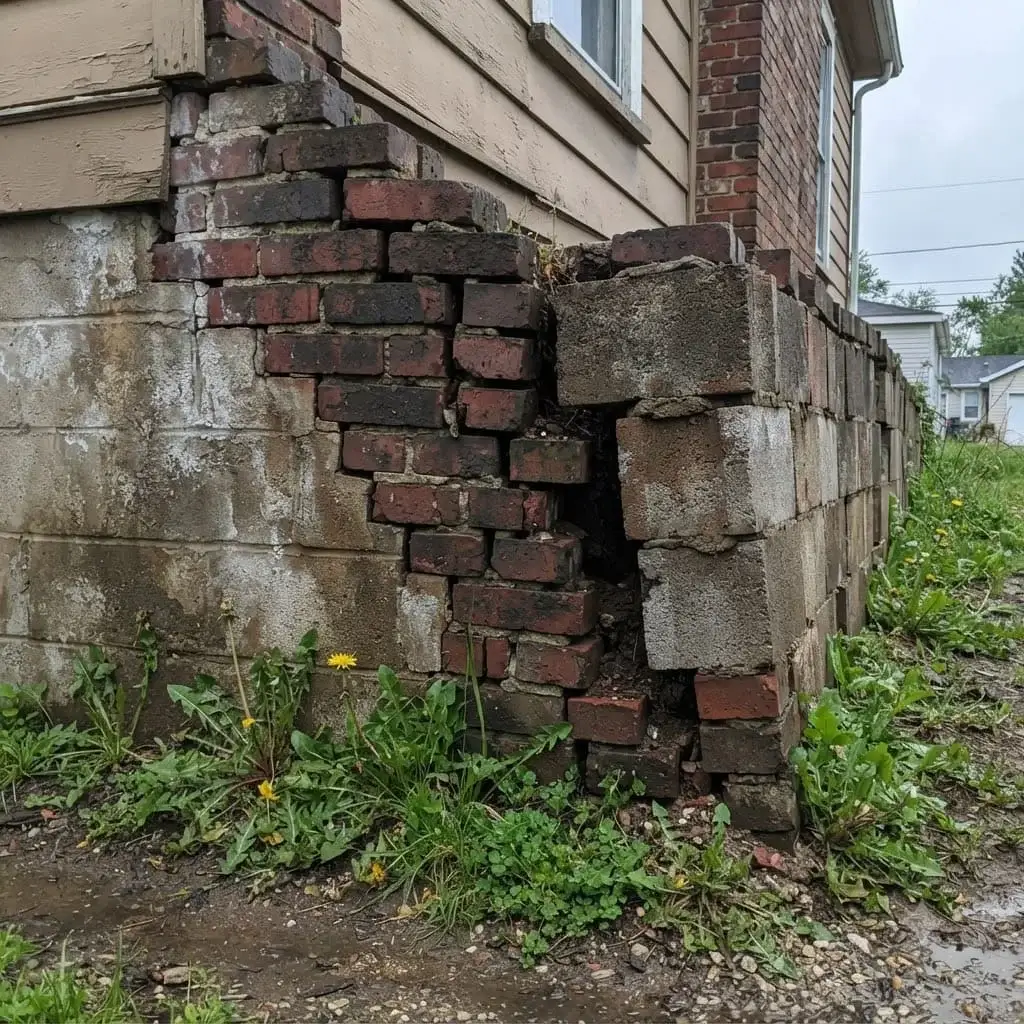
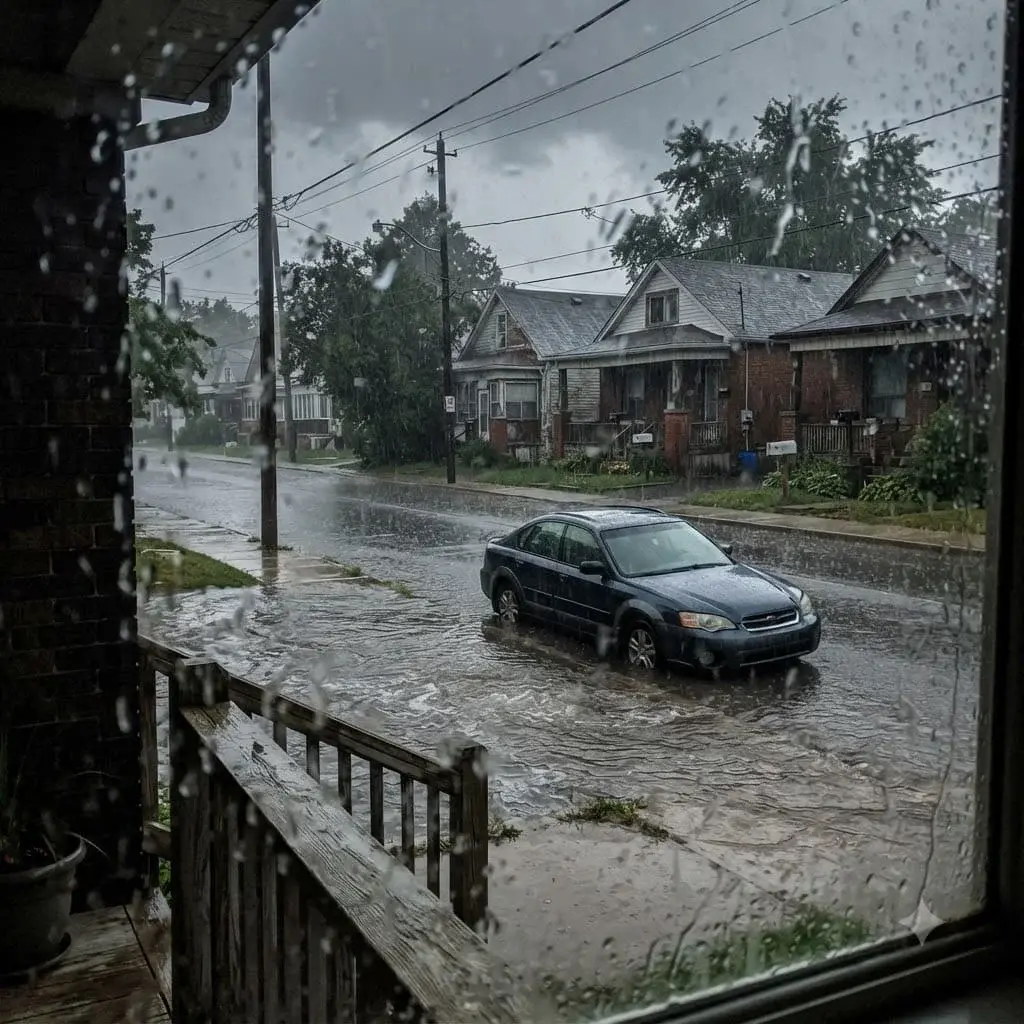
Scranton's basement flooding isn't spread evenly across the city. A handful of neighborhoods flood again and again, driven by the same geography, aging stormwater infrastructure, and a creek or two running where you can't see them. If you're buying or living in one of these areas, knowing the pattern helps you protect your home before the next storm. Here's where the water goes and why.
Why Some Scranton Neighborhoods Flood More Than Others
Flooding concentrates in the parts of Scranton where water naturally collects and where drainage can't keep up. The city sits in the Lackawanna River valley, so low-lying areas take runoff from the surrounding hills, and heavy rain on the hilly streets runs downhill fast. Older stormwater drains in parts of the city can't handle the volume of a modern downpour. And in a few spots, creeks that were built over decades ago still run underground, backing up into yards and basements when they fill. Add the valley's saturated soil and you get neighborhoods that flood on a schedule.
Green Ridge
Green Ridge has one of the most persistent flooding problems in Scranton, and the cause is literally underground. An underground creek runs through backyards in the area, including along Wyoming Avenue, and when heavy rain fills it, it backs up into basements. Residents here have dealt with repeated flooding over the years, with water coming up even after partial fixes to the creek's culvert. For Green Ridge homes near the creek line, a drainage system with a battery backup sump pump is close to essential, because the flooding is recurring and arrives fast.
Keyser Valley
Keyser Valley sits low and floods repeatedly, and it was among the hardest-hit areas in the September 2023 flash flooding that damaged homes across the city. The neighborhood takes both runoff from higher ground and water from saturated soil, so basements here flood from more than one direction. Homes in Keyser Valley benefit most from a combination of interior drainage and a backup pump, since the water can arrive faster than a single standard pump handles.
North Scranton
North Scranton also took significant damage in the September 2023 flooding. The area's mix of older housing and low ground makes it vulnerable to the same flash-flood pattern, where a fast, heavy rain overwhelms drainage and pushes water into basements. The federal buyout and demolition of the worst-hit homes after that flood underscores how serious the flooding in these low areas can be.
South Side and the Low Streets
South Side and other low-lying streets across Scranton flood during heavy rain, where runoff from the hilly parts of the city collects faster than drains can clear it. The older homes here carry the same pre-1940 foundations found across Scranton, which leak readily once water pools against them. These aren't underground-creek situations like Green Ridge, but the result in the basement is the same.
What Protects a Home in a Flood-Prone Area
Protecting a basement in a flood-prone Scranton neighborhood takes more than a basic setup. The core is an interior drainage system with a sump pump sized to the water volume. On top of that, a battery backup pump is the single most important addition, because the worst flooding here comes with the storms most likely to cut the power, and a standard pump stops dead in an outage. Fixing grading and downspouts to move surface water away from the house reduces the load. For homes right on a flood path, these aren't upgrades, they're the baseline.
Frequently Asked Questions
Why does Green Ridge flood so often?
Green Ridge floods often because an underground creek runs through the neighborhood, including along Wyoming Avenue, and backs up into basements when heavy rain fills it. The creek was built over long ago, so the water isn't visible until it comes up in yards and basements. Partial fixes to the culvert haven't fully solved it, so homes near the creek line see recurring flooding. A battery backup sump system is important here because the water arrives fast.
Was Keyser Valley hit by the 2023 flood?
Keyser Valley was one of the hardest-hit areas in the September 2023 flash flooding in Scranton. The neighborhood's low elevation means it takes both runoff from higher ground and water from saturated soil, so it floods from more than one direction. The 2023 event damaged homes across these low areas badly enough that the city later secured federal funding to buy out and demolish some of the worst-hit properties.
Should I check flood history before buying a Scranton home?
Checking flood history before buying a Scranton home is worth doing, especially in low-lying neighborhoods like Keyser Valley, North Scranton, and parts of Green Ridge and South Side. A home can look fine in dry weather and flood every heavy rain. Ask the seller directly, look for signs of past water in the basement, and consider the neighborhood's known patterns. A basement that floods regularly is a manageable problem, but it's one you want to know about before you buy.
Can a flood-prone basement be kept dry?
A flood-prone basement can be kept dry with the right system, even in Scranton's worst neighborhoods. The combination of an interior drainage system, a properly sized sump pump, and a battery backup handles recurring flooding, including the storm-plus-power-outage scenario common here. Grading and downspout fixes reduce the water reaching the foundation. Homes on active flood paths need a system built for volume, not a minimal setup, but dry is achievable.
Does my neighborhood affect which waterproofing I need?
Your neighborhood strongly affects the setup your basement needs. A home near the Green Ridge creek or in low Keyser Valley needs a system built for fast, recurring, high-volume flooding, with a battery backup as standard. A home on higher ground with occasional seepage may need only a basic interior drain. We account for where a home sits in the valley and its local flood pattern when we recommend a system, which is why the inspection is specific to the address.